
A note on timing: This article was first published on LinkedIn on 23 June 2026. AI moves quickly, so the model comparisons, pricing and other specifics below may now be out of date. The underlying concepts remain relevant.
Getting to grips with A.I? One image reveals astonishing truths in the evolution of AI models in the past 4 years. If you've ever found yourself staring at a wall of similar feeling products trying to make an informed choice, this might put your feet on the road to understanding.
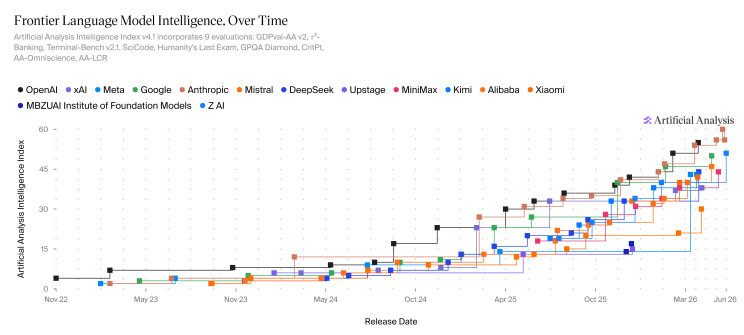
1: The rate of improvement, is improving.
Less time between leaps. Bigger jumps for most. The bottom left dot is the first public ChatGPT (OpenAI). Top right, Fable (Anthropic, of Claude fame). The trend is faster for some than others.
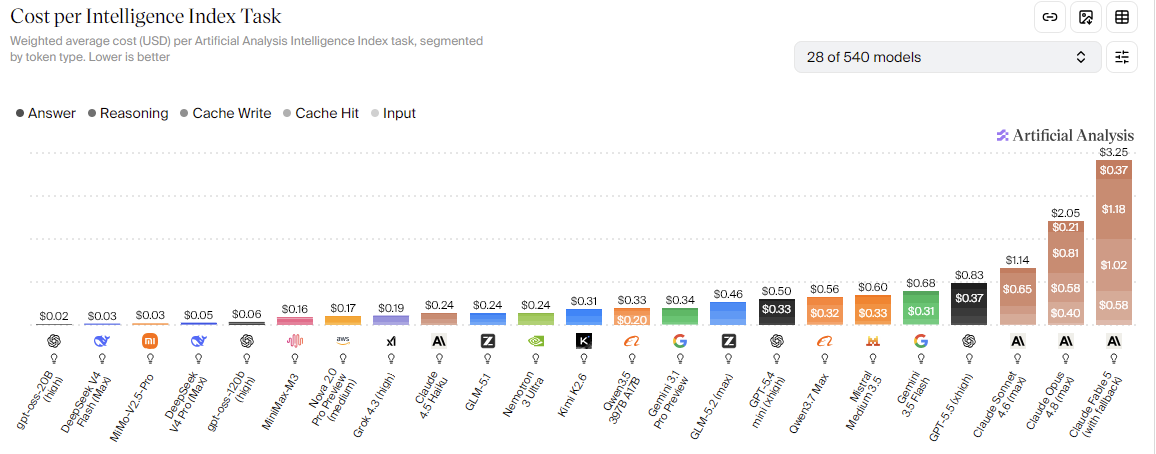
You pay multiples for the top dots, though. The cost of getting the best, is well, cost.
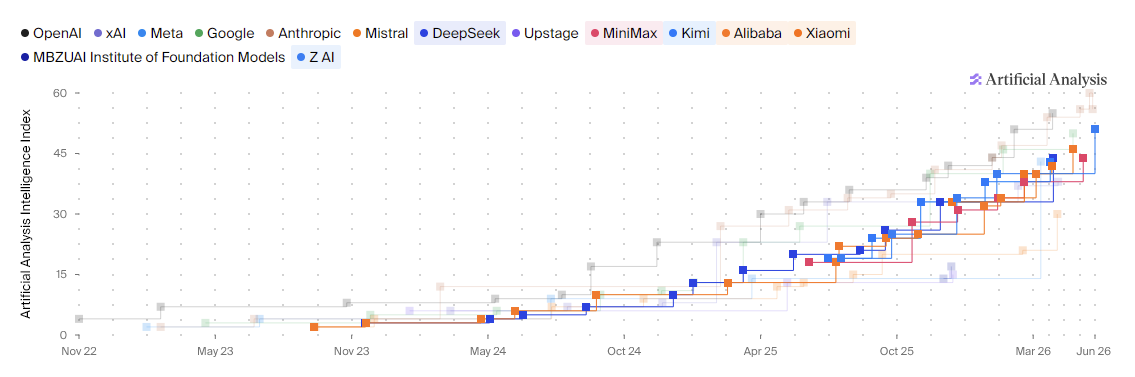
2: China is right in the mix.
The highlighted dense cluster below, right through the middle? All Chinese models. Heard of GLM 5.2? It's that blue dot right up the top right. Yes. Right under Claude and ChatGPT, on par with Gemini. Notice something else? They're improving faster. The gap's getting smaller.
3: Sheer volume.
The below shows 52 major models and their various flavours. Some of them have only had one or two releases. This is the tip of the tip of the iceberg, in reality there are thousands of emerging and specialised models. More are spinning off every day. A lot of the "free" ones are where the majors were 6-12 months ago.
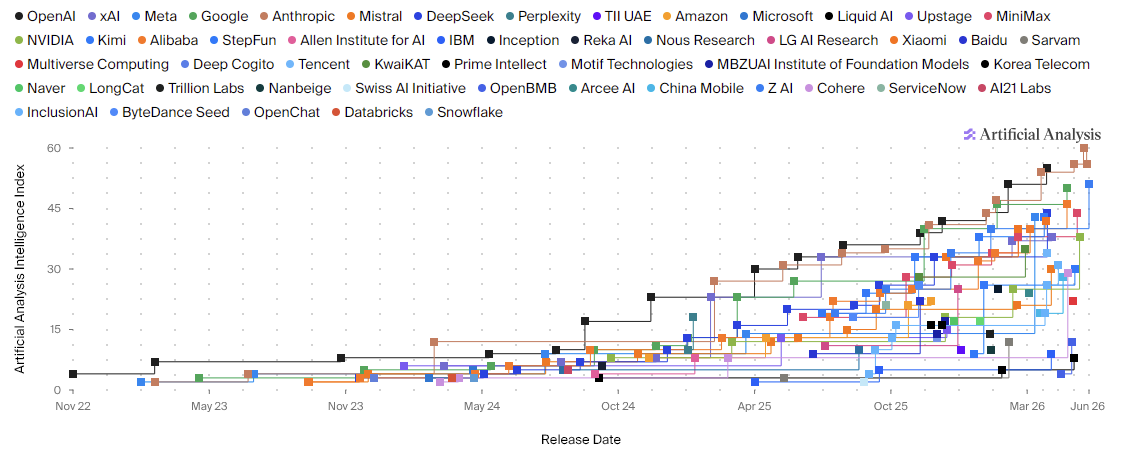
Point #3 there is critical because it explains a recent messaging pivot. This growth, and growing backlash from layoffs vaguely pointing at "AI", may be why various talking heads are evolving their messaging.
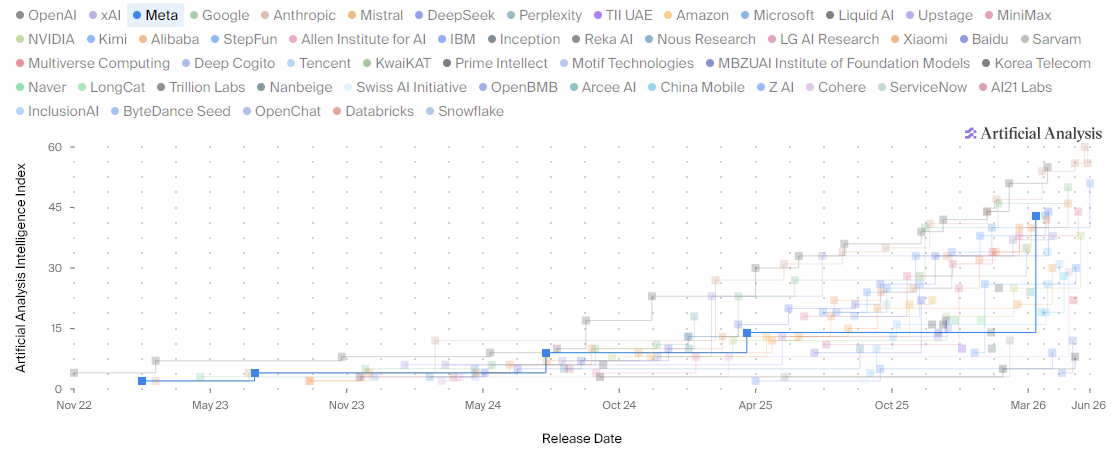
The "jobspocalypse" pitch was becoming deeply unpopular. From promising investors a golden age of wealth extraction once they "win" the AI race (and replace everyone), the tone has shifted to "Our AI will be used by everyone". Not replacement, but raw volume. Tools for the people. Not replacing the people.
Also perhaps wise when tens of thousands of people have been laid off in the sector, and your products are saddled with some of the responsibility.
So, now you know.
Please, share your thoughts!
Author : Adam Chesters – Founder of Wroteitmyself.com
Image + Data Source : https://artificialanalysis.ai/ – 20/06/2026
#AIStrategy #FrontierAI #AIBubble #FutureOfWork #BuildInPublic
Caveats :
Yes, this are just benchmaxxing composite results, not 1:1 real world results. It's very hard to determine reliable results by testing non-deterministic models. Do you know a better, or more comprehensive resource for high level comparison?
Yes, China's been competitive for a while, you can see their growth has been keeping pace with the "best", and the gap is closing.
Yes, most leading edge tech has a wave of following tech/lower cost competitors lagging behind the raw frontier. AI is not different.
Yes, It's not actually cheap or simple to run "free" models. You need to rent a lot of compute power, build a very expensive cluster of your own, or "simplify". For complex reasoning, they may not be a realistic alternative if you don't have the scale/infra to actually install, run, and maintain and realise the cost advantages. But there's some astonishing things that lightweight but smart models are enabling (on device voice recognition, on camera features, etc).
The competition there will likely come from niche/industry specific models leveraging them for specific use cases, so they don't have to buy tokens by the million from the majors.
Originally published on LinkedIn on 23 June 2026.
Leave a Reply